Versatile Design and Easy Operation
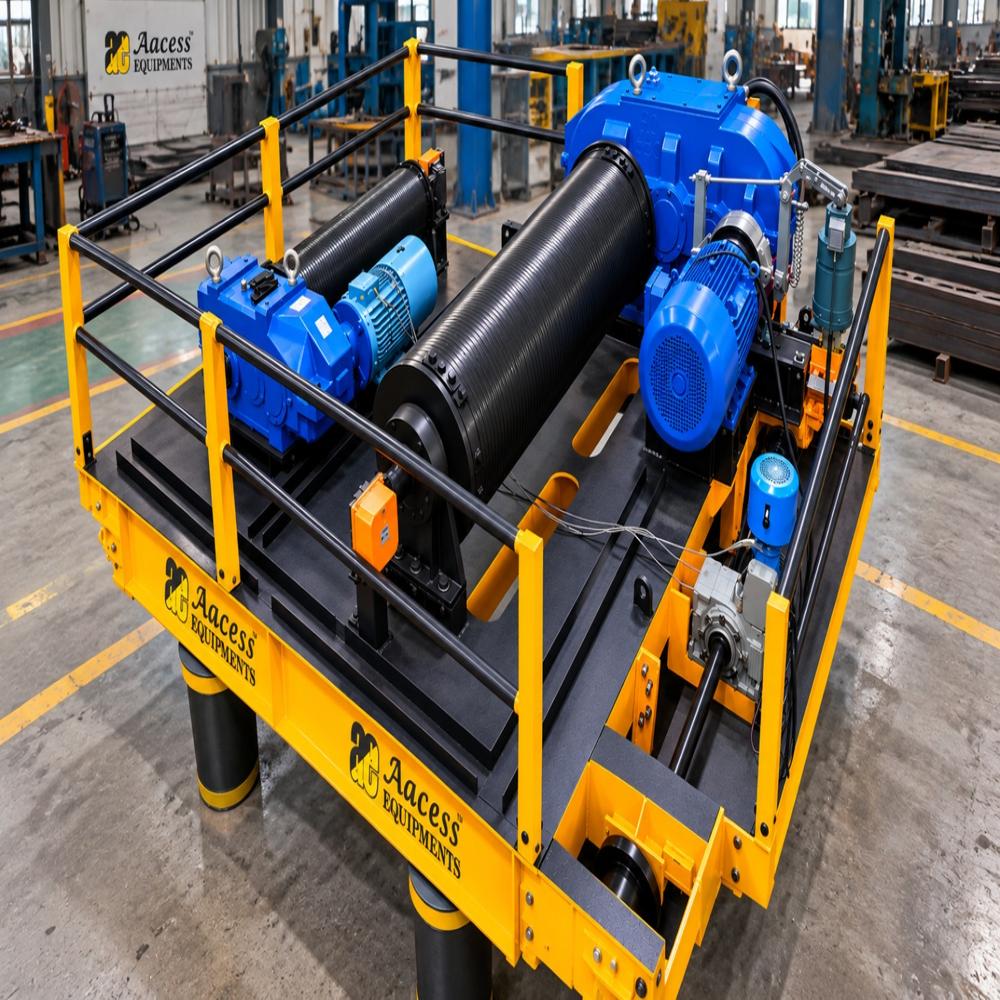
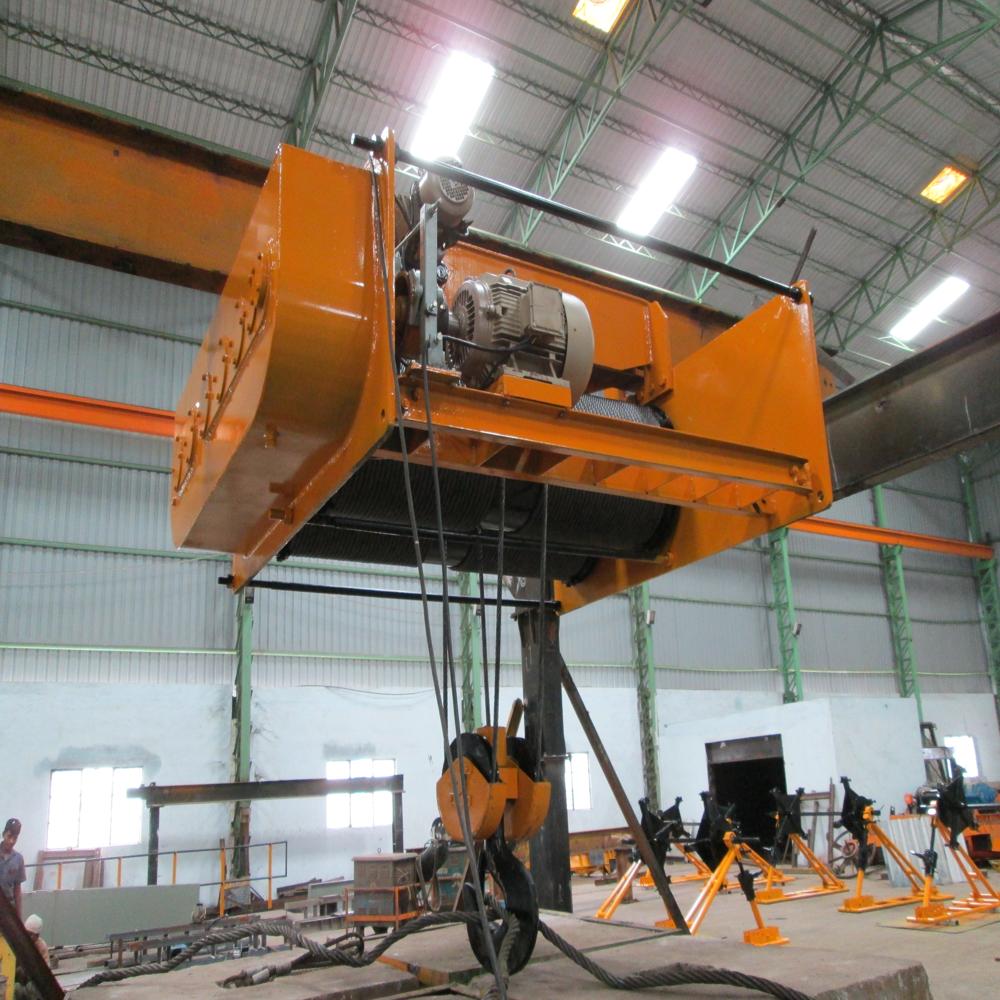
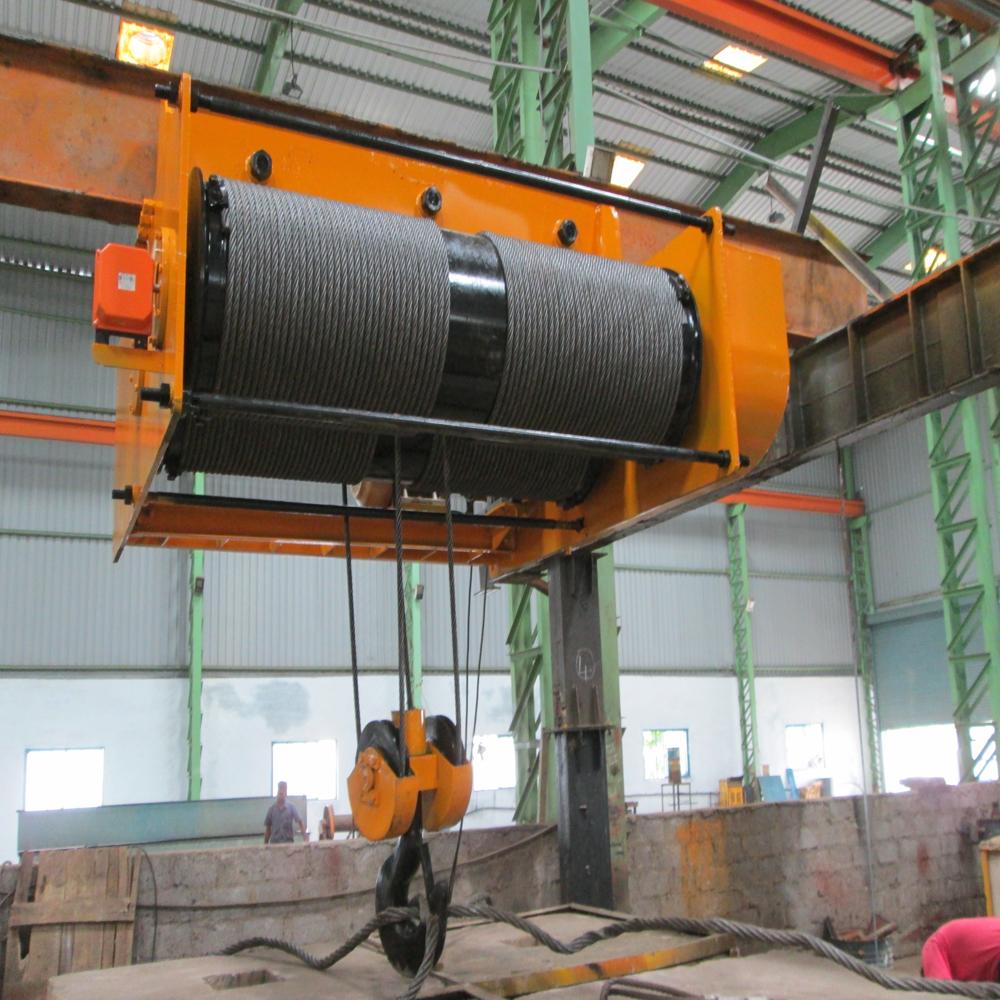
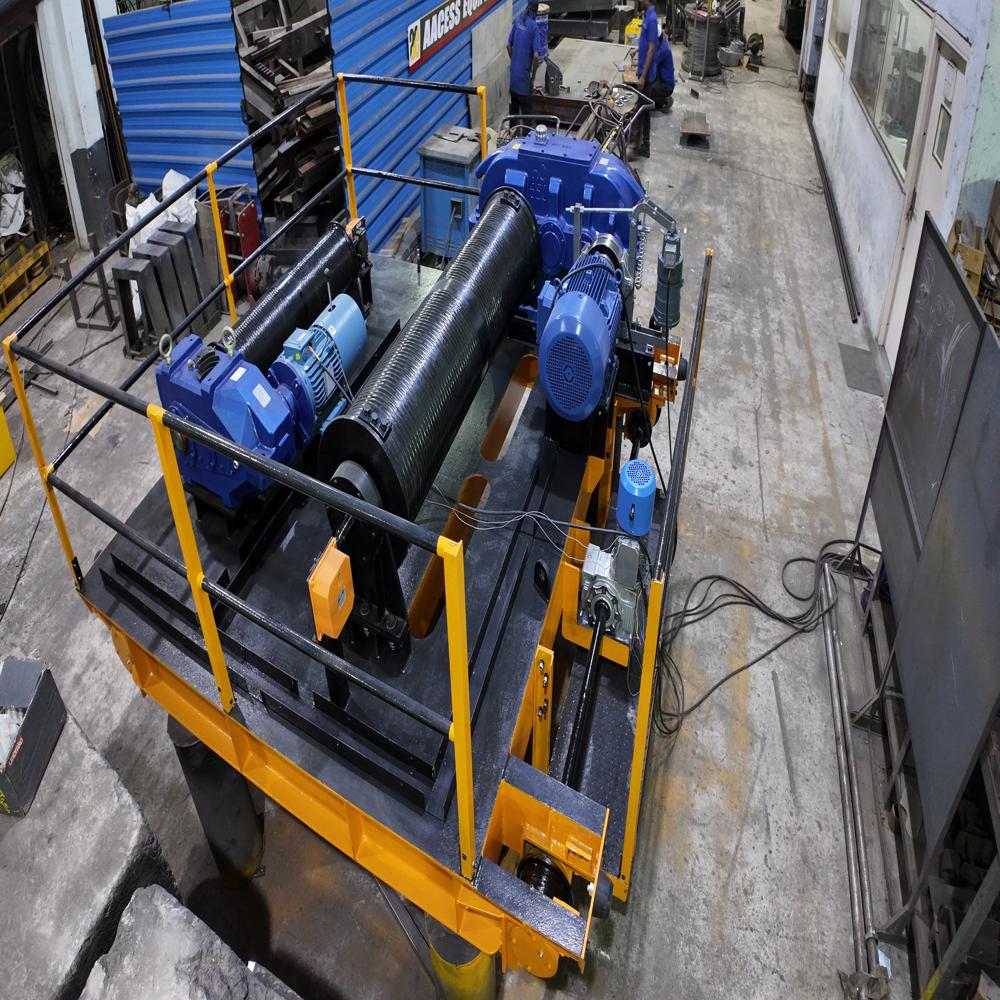
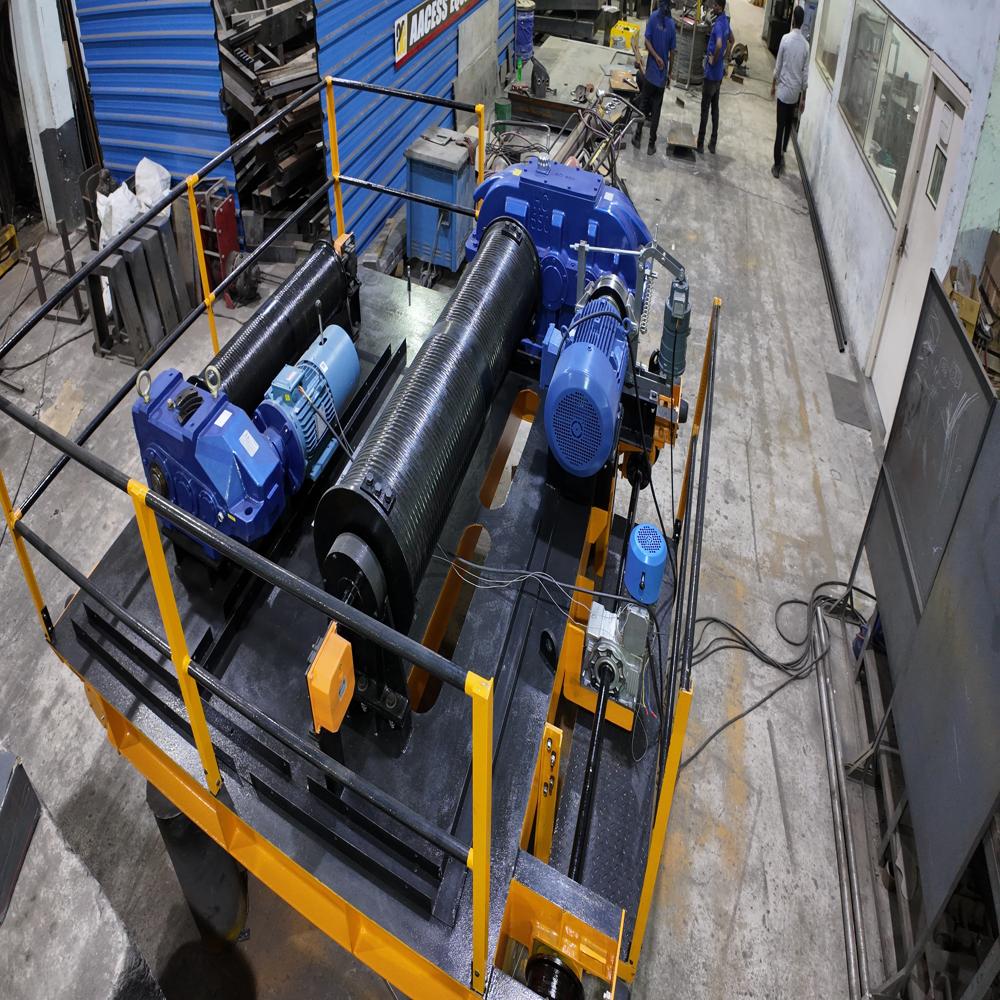
The EOT Crane Hoist is a robust and reliable electric lifting mechanism designed for safe and efficient handling of heavy loads in industrial environments. Equipped with a heavy-duty electric motor, gearbox, wire rope drum, wire rope, hook block, and braking system, the hoist provides smooth and controlled lifting and lowering operations.
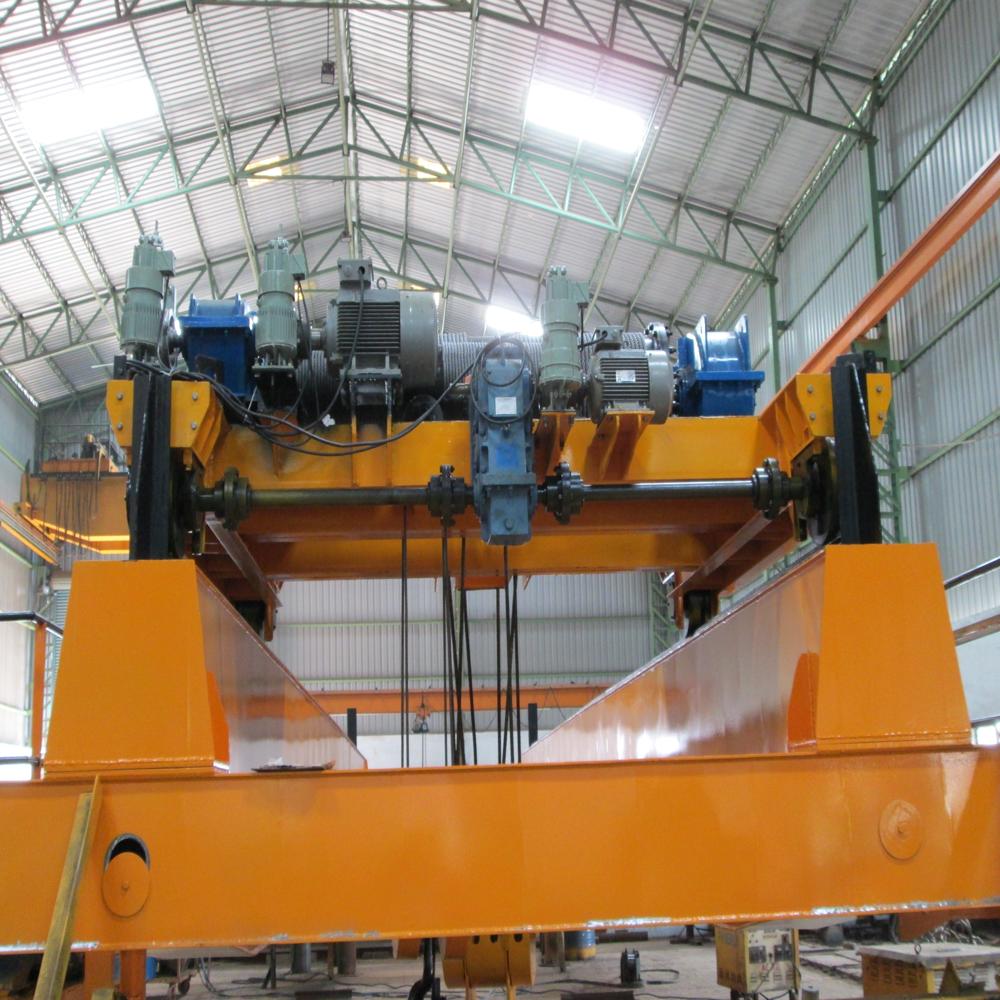
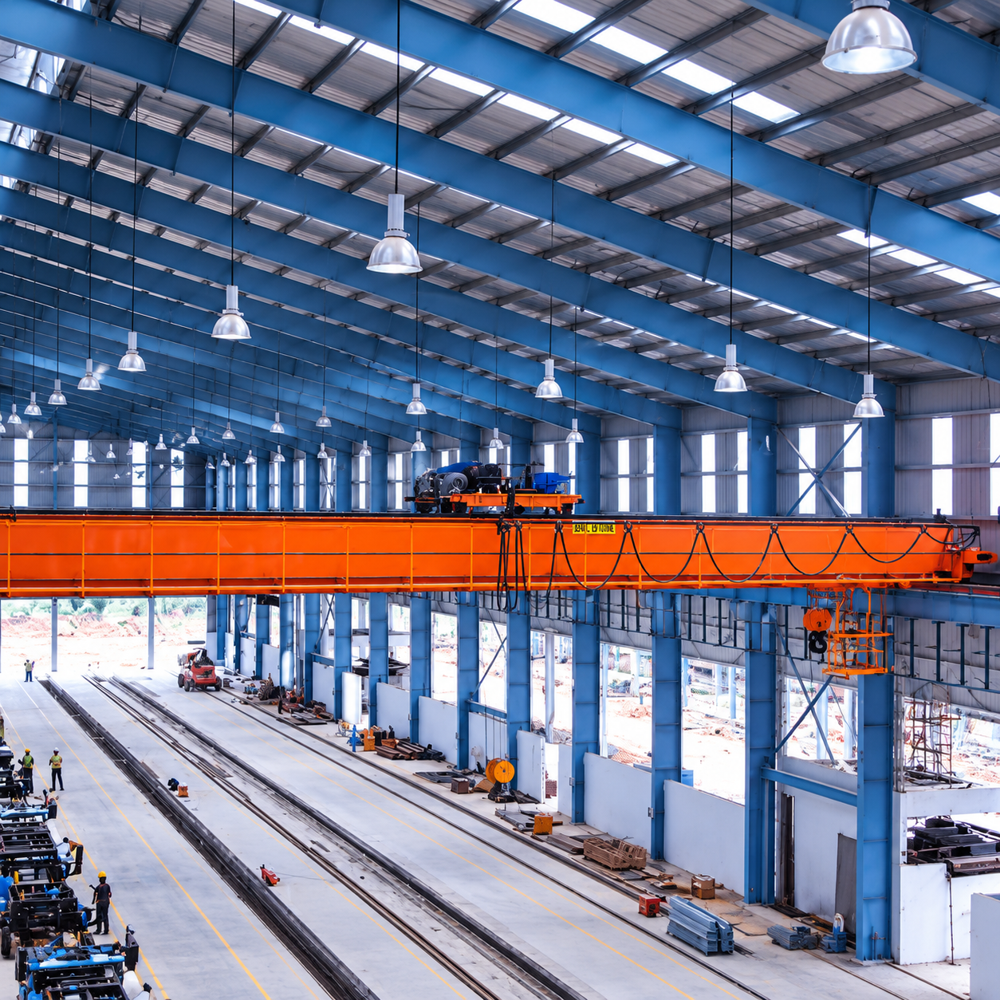
The hoist can be configured for different lifting capacities and heights according to project requirements. Its compact and efficient design allows easy integration with single-girder and double-girder EOT cranes. User-friendly pendant or radio remote controls enable trained operators to perform lifting, lowering, and load positioning with precision.Suitable for manufacturing plants, steel industries, engineering workshops, warehouses, fabrication units, and other material-handling applications, the EOT hoist provides dependable performance for routine and heavy-duty lifting operations.
FAQs of EOT Crane Hoist
Q: What is an EOT crane hoist?
A: An EOT crane hoist is the primary lifting mechanism of an Electric Overhead Travelling Crane. It is used to lift and lower loads vertically and is generally mounted on a motorized trolley or crab that travels along the crane girder.
Q: How does an EOT crane hoist work?
A: The hoist uses an electric motor to drive a gearbox and wire rope drum. The wire rope winds onto or unwinds from the drum, allowing the hook block to raise or lower the load. The trolley mechanism then moves the suspended load horizontally along the crane girder.
Q: What components are included in an EOT hoist?
A: A typical electric wire rope hoist consists of a hoisting motor, gearbox, wire rope drum, wire rope, rope guide, hook block, brake, limit switches, and safety devices. The complete arrangement may vary depending on the crane capacity and application.
Q: What types of loads can an EOT hoist handle?
A: EOT hoists are designed for lifting and moving a wide range of industrial loads, including machinery, steel components, fabricated structures, dies, molds, motors, pumps, equipment, and raw materials. The permissible load depends on the rated capacity of the hoist and crane.
Q: What lifting capacities are available for EOT hoists?
A: EOT hoists can be designed in different capacities according to application requirements, ranging from relatively light industrial loads to heavy-duty lifting applications. The required capacity is selected based on the maximum working load and operating conditions.
Q: What control systems are used for EOT hoists?
A: EOT hoists can be operated using pendant push-button controls, radio remote controls, or cabin controls. The selected control system depends on the crane configuration, operating environment, and customer requirements.
Q: What safety features are provided with an EOT hoist?
A: Depending on the design, the hoist can incorporate electromagnetic or fail-safe brakes, upper and lower hook limit switches, overload protection, emergency stop functions, thermal protection, and hook safety latches to support safe lifting operations.
Q: Where are EOT crane hoists commonly used?
A: EOT hoists are widely used in manufacturing plants, steel plants, fabrication workshops, engineering industries, warehouses, power plants, automobile industries, foundries, and maintenance facilities where regular lifting and movement of materials is required.
Q: Can the EOT hoist be customized?
A: Yes. The hoist can be configured according to the required lifting capacity, lifting height, lifting speed, duty class, operating environment, crane span, and control arrangement to meet specific material-handling requirements.
Q: What are the advantages of an electric wire rope hoist?
A: An electric wire rope hoist provides smooth lifting and lowering, reliable load handling, precise positioning, reduced manual effort, and efficient material movement. It is suitable for repetitive lifting operations in industrial environments.


 Send Inquiry




 Send Inquiry


 Send Inquiry


 English
 Spanish
 French
 German
 Italian
 Chinese (Simplified)
 Japanese
 Korean
 Arabic
 Portuguese

